You do not really know what is happening in your business. And that is costing you money.
We help you see where money is leaking and what to fix.
We design systems for hospitality and hotels that connect what you already use to run the business so you can see where money is leaking and what needs to be corrected.
Operational control system
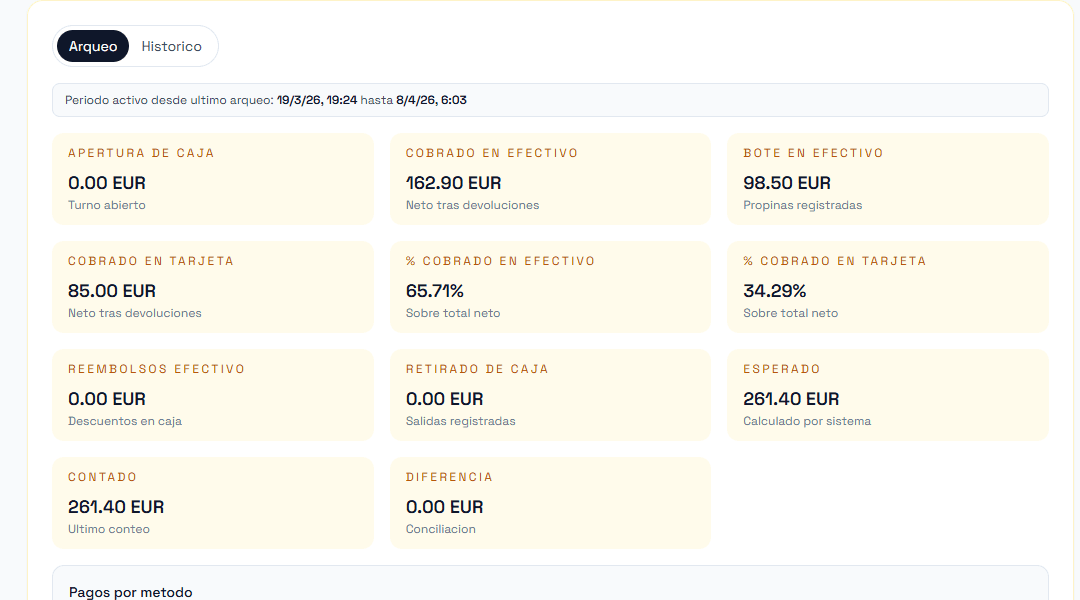
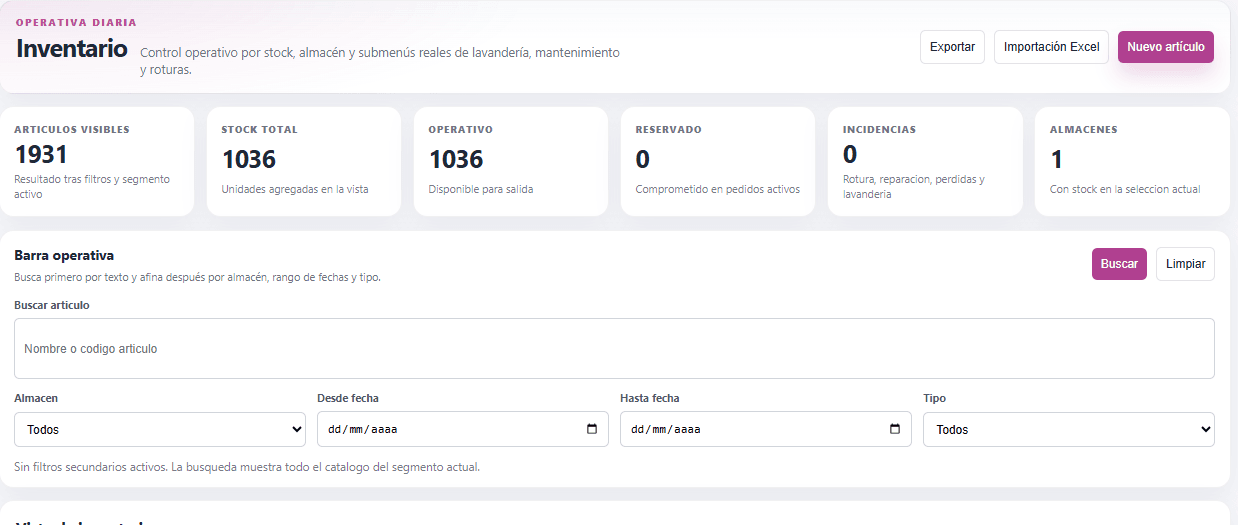
Real-time operational reading of the system.
This is not a pretty interface. It is a compact reading of the system holding the business together.
Operational reading
92 / 100
Layer
Front of house / service
Layer
Kitchen / production
Layer
Inventory / purchasing
Layer
Operations / management
Layer
Control and traceability
Operational view
LiveKey signals
04This is how teams start seeing what used to be invisible.
When service, cash, purchasing and stock stop running separately, operations start producing clear real-time signals.

Expected and actual values stop being compared only after the fact.
Problem
You are losing money. And you probably are not seeing it.
It is not one tool. It is what happens between them, day after day, that ends up breaking the business.
Disconnected systems
Service, stock and purchasing do not speak to each other. Each area moves on its own and nobody sees the whole picture.
Blind decisions
Problems get corrected once they already hit margin. Decisions come late, with partial data or pure instinct.
Invisible loss
Purchasing mismatches, waste and operating mistakes build up every day without anyone seeing them clearly.
No operating criteria
Each team works however it can. There is no clear base that orders how the business should run.
You can feel it. But you do not know exactly where it is. And while you cannot see it, it keeps happening.
And this does not get fixed by changing software.
And while you change tools, the problem stays in the same place.
Reframe
The problem is not the POS. It is everything happening around it.
Changing tools will not fix the business. If you do not understand what is happening, you are only moving the problem somewhere else.
WE DO NOT PATCH
Adding another tool does not fix anything. If the foundation is wrong, you are only adding more complexity.
WE READ THE OPERATION
We analyze how things really flow: where margin is lost, where the process breaks and which decisions arrive too late.
WE ORGANIZE FOR GROWTH
Automation without real visibility only makes chaos faster. First we organize the base. Then growth starts to make sense.
Changing tools is easy. Understanding what is happening is not.
The problem is not what you use. It is that nobody is reading what is really happening.
What we do
We put order into the business so you can stop deciding blind.
We step in, connect what is broken today and leave a clear foundation to understand what is happening and what to do next.
This is not about implementing more. It is about understanding what is already happening.
- We detect where money is being lost
- We define how the operating base should work
- We connect systems, data and teams so everything makes sense
- We build structure, access and traceability
- We implement without breaking what already works or overwhelming the team
We do not add more layers. We make sense of the ones you already have.
Where D3D OS fits
D3D OS is not the starting point. It is the layer that coordinates everything once the base is in order.
How the operation is structured
INFRASTRUCTURE
Spaces, equipment and operating points
CONTROL AND ACCESS
Users, permissions and real traceability
D3D OS
Operational reading, alerts and coordination
OPERATIONS
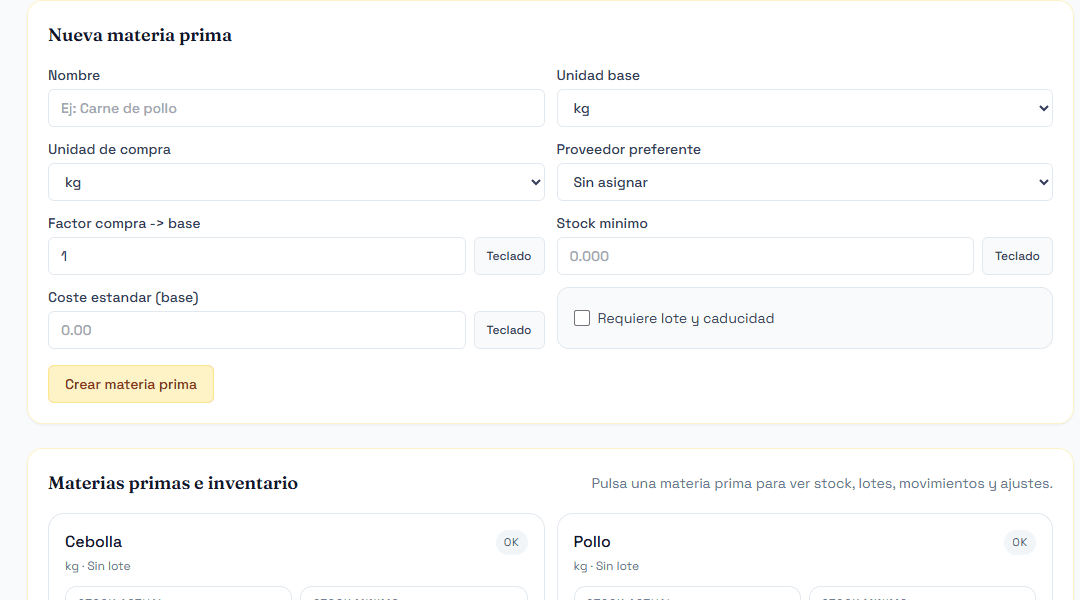
Service, inventory, purchasing and daily operations
Once you understand that, everything else changes.
Implementation
You do not need to stop the business to regain control.
We start where impact is highest, coexist with what you already use and deploy without breaking the day to day.
If you try to change everything at once, the team locks up and the operation suffers.
PHASE 1
We prioritize what matters first
We do not start with everything. We start with what is already costing money.
PHASE 2
We integrate without breaking
We do not replace everything at once. We coexist with what you already have while we organize the foundation.
PHASE 3
We activate in phases
Each layer comes in when the team can actually use it, not when the system allows it.
PHASE 4
We scale with evidence
Once visibility is real, we expand. Before that, adding more tools only makes everything harder.
Validation
Real case: how Tertuliando moved from reacting to daily control
A real operation where the problem was not the POS, but the lack of visibility into what was actually happening.
Business: restaurant | Puerto de la Cruz
Before we came in, the operation was working, but without real control. Decisions depended on intuition, memory and late review. Once we organized the foundation and connected the information, they started seeing earlier what was actually happening: - purchasing that did not match real consumption - service losses nobody was measuring - decisions arriving once the problem was already inside the margin Once that shows up earlier, everything changes: reactions come sooner, margin stops eroding and the operation stops dragging behind.
- They start seeing what they used to only sense
- They stop depending on memory, intuition or late review
- Decisions arrive while there is still time to act, not when it is already too late
It is not about having more data. It is about understanding earlier what is happening.
Fit
This is not for everyone. And that is exactly the point.
It works when you want to understand what is happening and are willing to act on it.
It fits if:
- You manage an operation with several layers: service, stock, purchasing or multiple locations
- You know there is invisible leakage and want to stop sensing it and start seeing it
- You are willing to question how the business works, even if that means changing things
- You want a solid base to grow without depending on patches
It is not for you if:
- You only want another POS to cover one isolated function and keep everything the same
- You prefer to keep going as you are, even if there are losses you cannot see
- You do not want to measure or understand what is really happening in the business
- You expect results without changing process, data or the way the team works
If everything works “well enough”, this is probably not for you. If you know something does not add up, then it is worth looking at.
If you made it this far, it is because you already know something does not add up.
INITIAL REVIEW
You do not lack tools. You lack a real understanding of what is happening in your operation.
We step into the business, analyze how it actually works and detect where margin, time and room to react are being lost.
If you do not understand what is happening, you cannot control it.
This is not a demo. It is a real reading of the operation.
You do not lack tools.
You lack a real understanding of what is happening in your operation.